

Or microblogging like it’s 2009!
A while back, I published an article named “From Social Feeds to Personal Feeds”, where I wrote about the boredom, clutter and noise of social networks, and that I was much more into personal websites and blogs, their philosophy and mood.
That being said, most of the social networks were, at the beginning, when they came out, not that boring, cluttered and noisy (except Facebook). They were built to do one thing which they did well, and were kind of fun and interesting to use.
During the first years of Twitter, it was fun to tweet. I made some connections thanks to it, and discovered great people I’m still following and/or interact with today (except it’s not via social networks anymore, or very rarely when there’s no other way to do so).
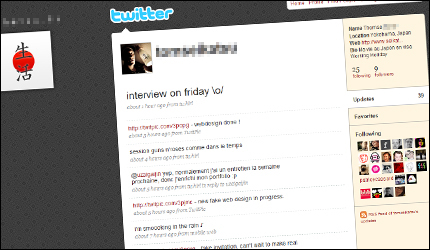
Then, it became a mess. For a few years, I stopped posting and interacting, but still cast an eye over my feed. And one day, I completely stopped going on it. It bored me so much, and it was so jammed with too many things, in both substance and form, that I quit. I created accounts on other trending social networks like Bluesky, Mastodon, Threads… and tried them a little. But, meh, I couldn’t get into it.
However, I like the concept of microblogging, I think it’s fun, it’s a good and quick way of publishing little thoughts and small pieces of text that wouldn’t fit in a traditional blog post.
So, as I didn’t want to give up on the idea of microblogging sometimes, but not on a traditional social network, I built my own tool!
I won’t go into the technical details, but it’s a simple WordPress plugin that, in a few words, works with a simple form that fills a JSON file from which the posts are retrieved to be displayed on a page, with a bit of CSS to make it look a bit fancy and readable.
I used AI to assist me with this task. Claude was my coding partner for this one. As I’m used to thinking, having a certain technical background, a culture of computer science and the web, really matters. It helps to craft better prompts, understand the AI’s suggestions, know when to test or refine the results, etc.
Building this little tool reminds me why I love the personal web so much: the freedom to create exactly what you want, without algorithms deciding who sees your content or how it should be formatted. It’s a small step back toward a more authentic, human-scaled web.
Long story short, my microblog page is up and running! And there is a RSS feed too.